
New York City
The city that never sleeps now only breathes for the women who remain.

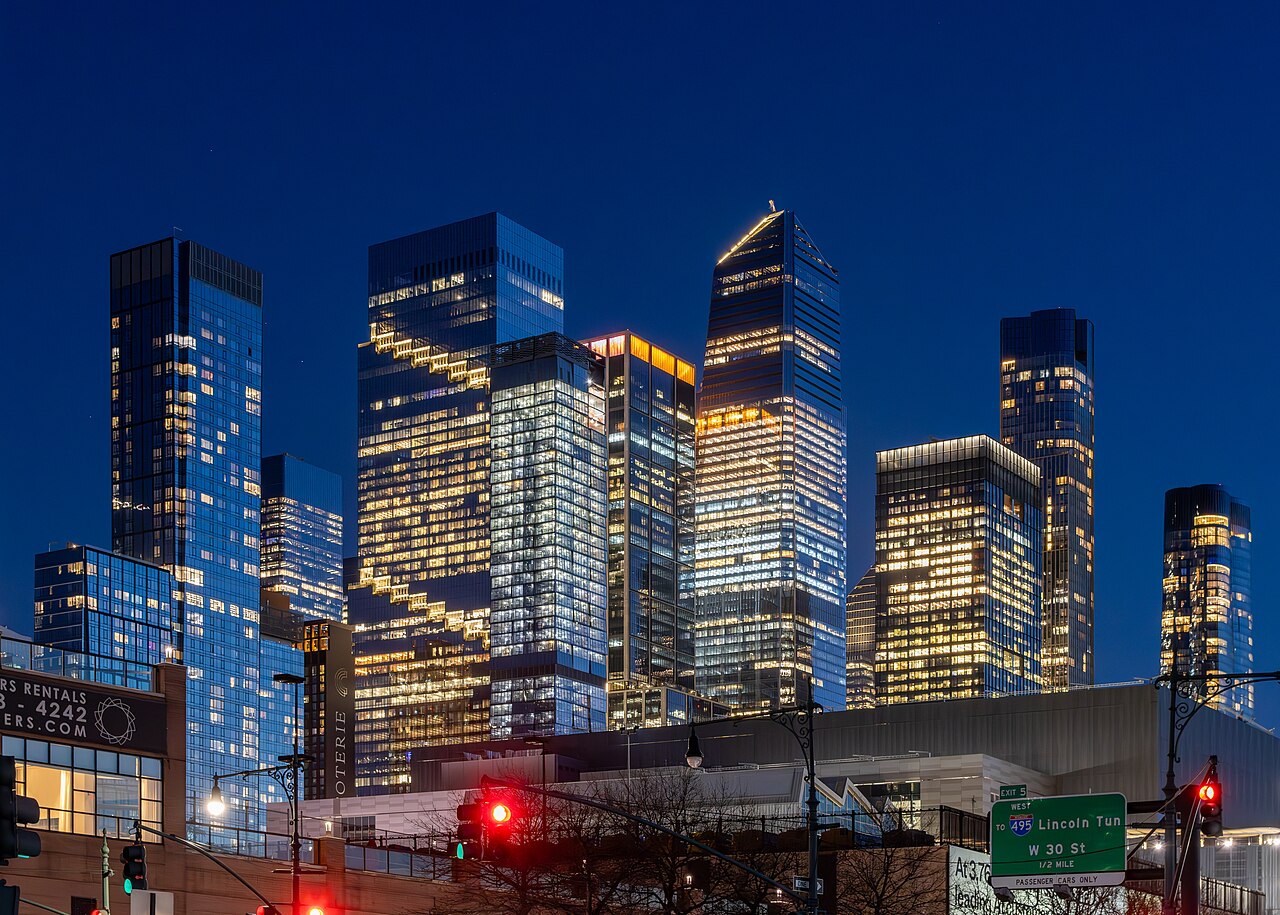
Basile Morin · CC BY-SA 4.0
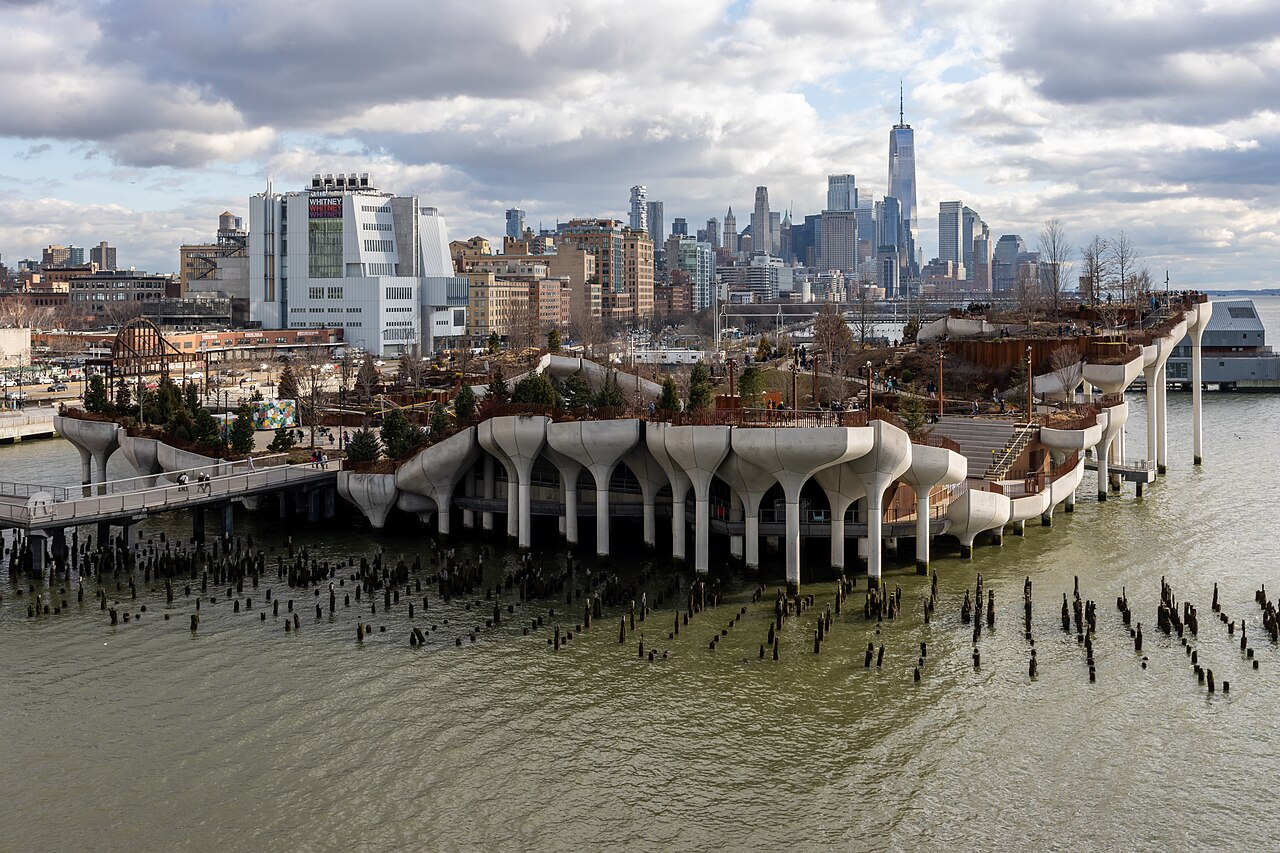
New York City in Y: The Last Man is a vast, haunting urban landscape reimagined in the aftermath of the global extinction of all male mammals. Once the symbolic beating heart of American commerce and culture, the city becomes a stage for survival, community rebuilding, and the slow unraveling of the old social order. Its skyline, streets, and institutions—now populated almost entirely by women and female animals—carry the weight of a world that has fundamentally reorganized itself. As a narrative setting, New York serves as both a mirror and a contrast: the familiar grid of avenues and the glow of Times Square are recognizable, yet every detail has shifted. The city is where characters confront what remains of the pre-extinction world, navigate the politics of the new one, and witness how infrastructure, governance, and daily life adapt when half the species is simply gone.
- Setting type
- Major urban metropolis, post-extinction
- Status
- Active, partially reorganized society; no male mammals present
- Narrative role
- Key location for community politics, travel, and world-building
- Population composition
- Exclusively female humans and female mammals
- Pre-appearance
- Global financial and cultural hub
- Post-appearance
- Reorganized community with adapted infrastructure
Lore & Background
In the world of Y: The Last Man, the sudden disappearance of every male mammal on Earth reshapes every institution, every ecosystem, and every city. New York, with its dense population and complex infrastructure, becomes a microcosm of that global upheaval. The stock exchanges, the government offices, the hospitals, the subways—all of them continue to function, but the hands that operate them, the voices that govern them, and the social contracts that bind them have all been rewritten in a matter of days. The city's geography tells the story. The elevated trains still run, but the routes and schedules have been adjusted to serve the new community patterns. Parks that once hosted mixed-gender crowds now host single-sex gatherings. The financial district's glass towers stand as monuments to a world that no longer exists, their lobbies echoing with the footsteps of women who now occupy roles that were once segregated. The contrast between the pre-extinction New York—loud, chaotic, stratified—and the post-extinction version—quieter in some ways, more communal in others—is a constant visual and emotional undercurrent. New York also functions as a crossroads. Characters arrive from other cities and rural communities, bringing different survival strategies and political philosophies. The city becomes a place where factions negotiate, where information flows, and where the broader questions of the story—governance, reproduction, ecology, identity—are played out against the backdrop of the Manhattan skyline. It is not a utopia; it is a city in transition, still figuring out what it means to be a human community when the old rules have been erased.
In Their Own Story
The subway car smells like wet wool and old coffee, the same way it always did, and that is what undoes her. She presses her forehead against the cool glass of the door and watches the tunnel lights streak past in long amber ribbons. Around her, the car is full of women in their work clothes—nurses, teachers, a woman with paint under her fingernails who used to be a banker. No one is shouting. No one is checking a phone with the particular aggression of a man trying to close a deal. The silence is not empty; it is full of small sounds, the creak of a stroller wheel, a child's laughter, the murmur of a conversation in a language she almost recognizes. They surface at the next station and the November air hits her face, sharp and cold, carrying the smell of the Hudson. The skyline is the same. The flags are different. She stands on the platform and watches the people file out, and for a moment she cannot tell if she is looking at the city she grew up in or a city that merely wears its face. The trains keep running. The city keeps breathing. And somewhere down the avenue, a woman is hanging laundry on a fire escape, and the sheets catch the wind, and the whole thing feels like the world is slowly learning to be a different shape.
Reader's Guide
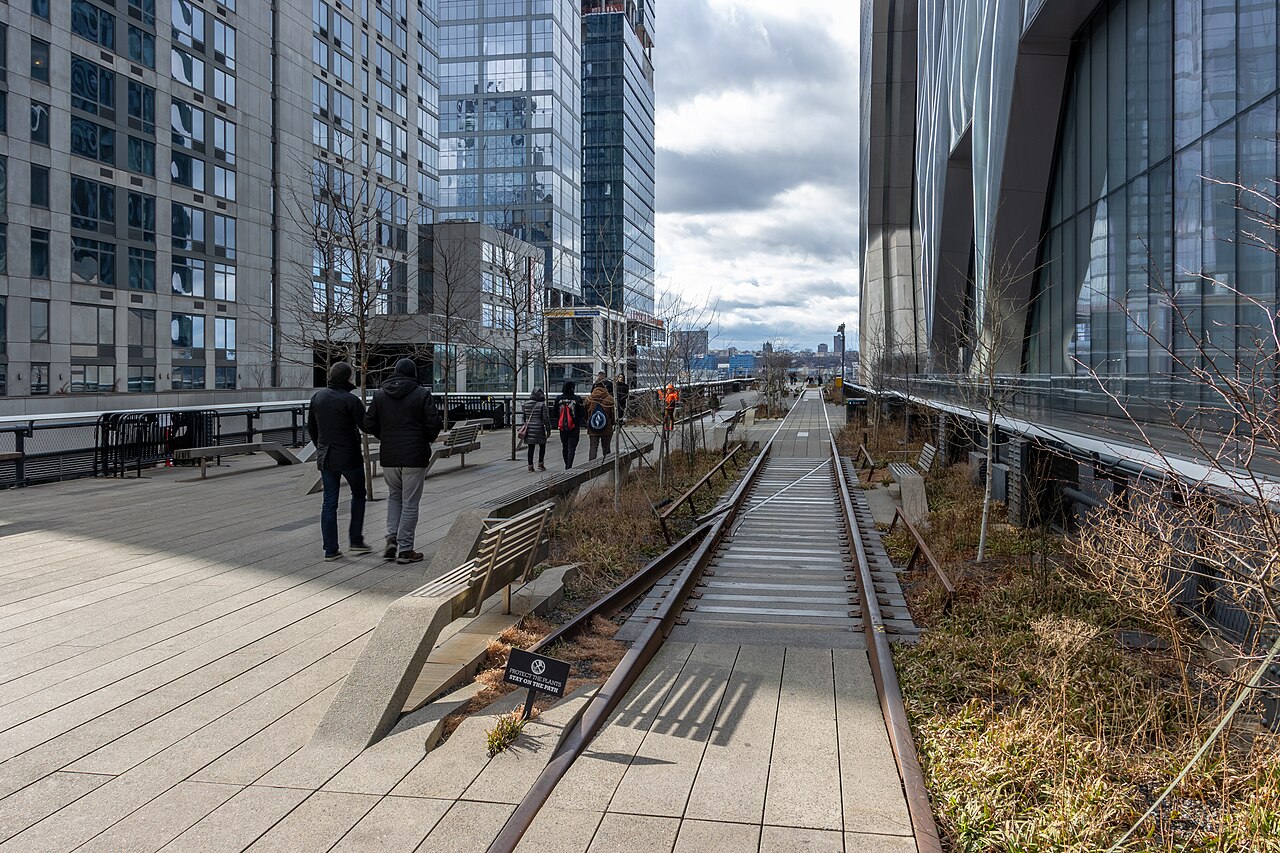
New York City after the extinction is the same city and a completely different one. The physical infrastructure remains—the grid of streets, the elevated tracks, the riverfront piers, the forest of glass and steel in Midtown—but the human texture has shifted. Streets that once throbbed with mixed crowds now carry a different rhythm: women walking in groups, children in strollers, the absence of the particular weight of male bodies in the crowd. The subways still run, but the announcements have a different cadence, and the ads on the walls feature products and services reconfigured for a women-only world. The financial district is quieter. The trading floors are still active, but the culture has changed; the aggressive posturing is gone, replaced by a more deliberate, communal pace. The parks are the same green rectangles, but the social dynamics shift—men's clubs are gone, the old gendered spaces have been repurposed or left to decay. A bar that once catered to a mixed clientele now hosts women-only gatherings, and the music is different, the conversations different. The most striking contrast is in the small details. The absence of male voices in the crowd. The way the city's soundscape has shifted. The way women occupy spaces they once shared. The city is not ruined; it is adapted. And that adaptation, visible in every storefront, every overheard conversation, every repurposed building, is the true story of post-extinction New York. For a traveler arriving from a rural community, the city is overwhelming in its scale and its newness. The old world is still there, in the architecture, in the street names, in the faded advertisements. But the living world on top of it has been rewritten, and the city is still learning its new grammar.
Did You Know?
- The extinction event in Y: The Last Man affects all male mammals, not just humans—meaning the city's ecology, from the rats in the subways to the birds on the bridges, has been fundamentally altered.
- New York's infrastructure—subways, power grids, water systems—continues to function in the post-extinction world, but the social systems that once operated them have been entirely reorganized around a women-only populati
- The city serves as a narrative crossroads where characters from different regions and communities converge, making it a key site for political negotiation and the exchange of survival knowledge.
- The pre-extinction and post-extinction versions of New York coexist visually: the same buildings, the same streets, but the human activity, the signage, the social norms, and the soundscape are all different, creating a
A World Without the Y Chromosome
The series is built on a single, devastating premise: a sudden, unexplained catastrophe wipes out every mammal carrying a Y chromosome in one instant. The sole survivors are Yorick Brown and his pet monkey, Ampersand. Yorick must navigate a world where his mother, Jennifer Brown, has been thrust into the presidency after the line of succession was decimated. The show follows his journey across this transformed landscape as survivors grieve and attempt to rebuild. Developed by Eliza Clark from the Brian K. Despite generally favorable critical reception, the show was cancelled after a single season in October 2021 and later removed from all streaming platforms in May 2023.
Chromosomes, Not Gender
The showrunners deliberately expanded the comic's treatment of gender to reflect contemporary understanding. Eliza Clark made clear that the die-off targets chromosomes, not gender identity. Trans women who carry a Y chromosome perish, as do women with androgen insensitivity syndrome who never knew they possessed one. Fletcher noted that in this post-event world, Yorick can walk unmasked because people assume he is trans, flipping the default assumption of cisgender identity. Clark emphasized at a 2021 press panel that the series affirms trans women as women, trans men as men, and non-binary people as non-binary, treating that diversity as a source of narrative richness rather than a footnote.
The Infrastructure That Vanished
Clark and her writing team spent considerable effort mapping the logical consequences of losing roughly half the population overnight. She was struck by how much essential infrastructure still depended on a gendered labor force. The electrical grid, supply chains, and the trucking industry that keeps grocery stores stocked all suffered from a severe gender imbalance. Clark noted that only about five percent of truck drivers were women, meaning the daily deliveries that urban grocery stores relied on, two per day with no on-site storage, would simply stop. Despite the sudden elimination of the gender binary among survivors, the resulting society was far from egalitarian. New hierarchies formed along lines of race, sexual orientation, political affiliation, and wealth, proving that removing one axis of inequality does not dissolve the others.
A Presidency Born of Chaos
The governmental aftermath is chaotic and legally murky. The entire presidential line of succession, including the Speaker, the President pro tempore, and seemingly all Cabinet officials, perishes as well.
Gallery

Frequently Asked Questions
What is New York City's role in Y: The Last Man?
New York City serves as one of the story's primary urban stages, where the surviving community grapples with governance, resource management, and the slow dismantling of pre-extinction social structures. Its familiar architecture and institutions are repurposed to fit a world now run entirely by women.
What happens to New York City after the global extinction event?
The city's skyline and grid remain intact, but its population is reduced to exclusively female humans and female mammals. Infrastructure adapts over time as women reorganize commerce, public services, and daily life without any male mammals present.
Who lives in New York City in Y: The Last Man?
After the die-off, every human resident is a woman, and the animal population consists solely of females. This demographic shift reshapes everything from neighborhood dynamics to the city's political and economic systems.
How does New York City function as a setting compared to other locations in the series?
As a major metropolis, NYC concentrates the story's themes of institutional rebuilding, community politics, and tension between old-world norms and new realities in a dense, high-stakes environment. This contrasts with the more isolated, smaller-scale settings Yorick and Jo encounter on the road.
Why is New York City important to the overall narrative?
The city embodies the central question of the book—how civilization reorganizes itself when half its population vanishes—by showing a once-dominant financial and cultural hub forced to reinvent its identity. Its streets and institutions become a living record of both loss and adaptation.
More in World & Setting
Elsewhere in the Y The Last Man universe
Spotted an error? Know more?
This is a living reference — every entry is fact-audited, and reader corrections feed straight into our audit queue. Suggest an edit · See this site's audit record