
The .38 Revolver
One boy, one gun, and a world that no longer knows what to do with either.

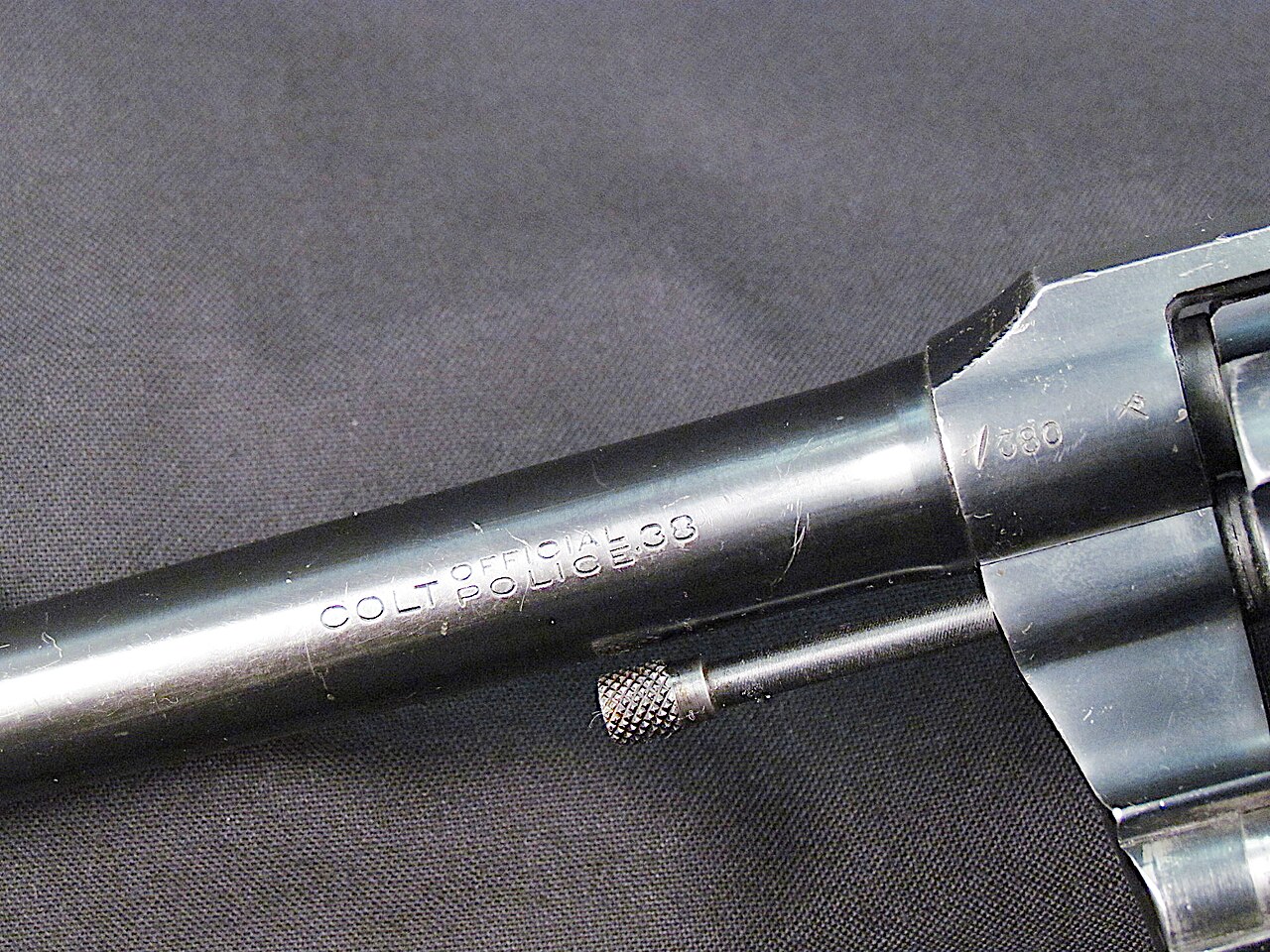
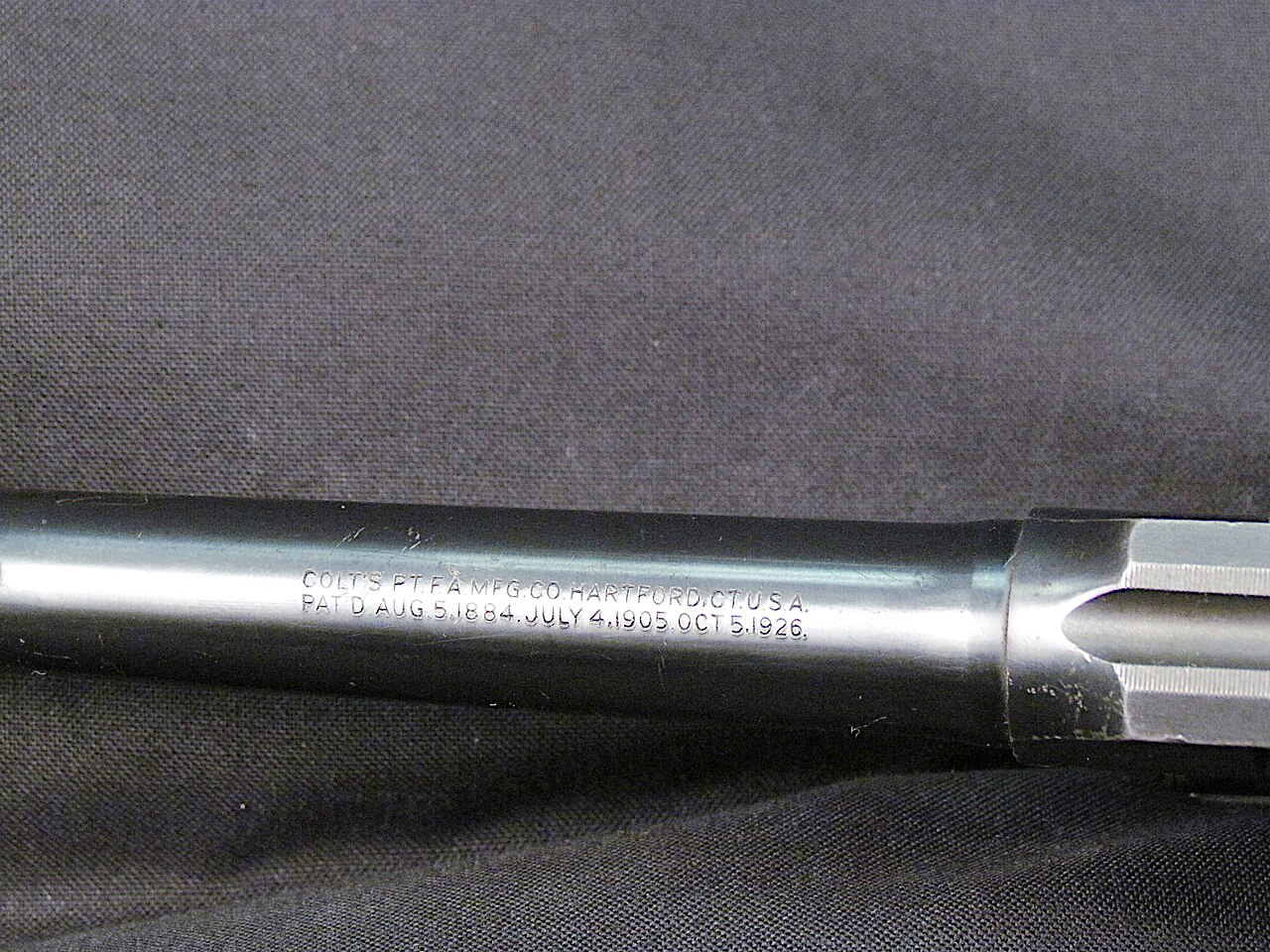
The Smithsonian Institution · Public domain
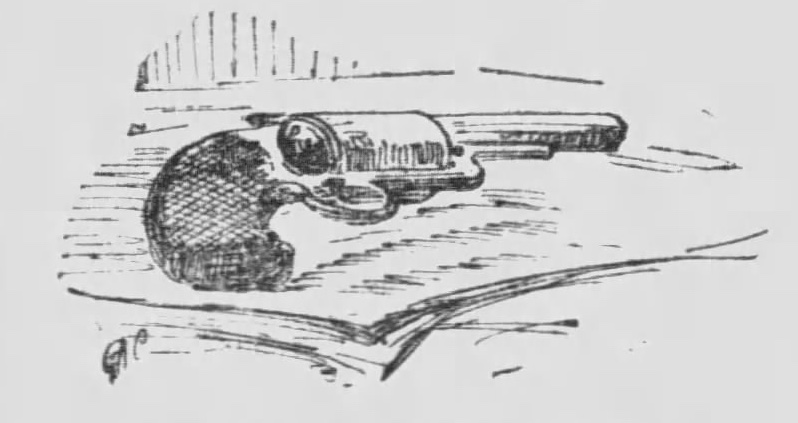
The .38 revolver is the sidearm carried by Yorick 'Y' Brown, the sole surviving male mammal in a world where every other man and male animal perished in a single night. What began as a practical survival tool—something to ward off looters, feral dogs, and desperate people in the immediate chaos—quickly became far more than a weapon. It is the physical embodiment of Y's paradox: a seventeen-year-old boy holding the one object that makes him simultaneously the most protected and the most hunted person on Earth. In the aftermath of the Great Death, the .38 is not just a gun. It is leverage, a target painted on Y's chest, and a daily reminder that the old world's scripts for who carries a gun and why have been violently rewritten. Every woman who sees it must decide, in a split second, whether Y is a resource to be guarded, a threat to be neutralized, or a curiosity to be studied. The revolver turns every encounter into a negotiation of power that no one in this new world has a precedent for.
- Type
- Revolver, .38 caliber
- Primary wielder
- Yorick 'Y' Brown
- Role
- Personal protection / survival weapon
- Affiliation
- Y Brown and his traveling companions
- Status
- In Y's possession throughout the narrative
- Symbolic weight
- Leverage, vulnerability, and the last artifact of pre-collapse gender dynamics
Lore & Background
Before the night everything changed, a .38 revolver was unremarkable—a civilian or law-enforcement sidearm, modest in power, common in a drawer. In Y's world it has been elevated to something almost sacred. It is the one object that says, without words, that this boy is not simply a specimen to be locked in a lab or a curiosity to be paraded. It says he can say no. It says the women around him must treat him as a person with agency, not a relic. And that single fact makes it the most dangerous thing in his pocket. The gun also inverts the old symbolism. For generations, the revolver on a hip was a marker of masculine authority, a shorthand for who held power in a room. Now the person wearing it is a teenager in a world where every other man is dust. The women who surround Y—soldiers, scientists, mothers, survivors—each carry their own relationship to firearms, but none of them carry the .38. That gap is a chasm. It means the gun is not just a tool; it is a question every holder asks: do I keep this boy alive, or do I take the gun and end the question? In the broader narrative, the .38 anchors Y's physical vulnerability. He is not a soldier. He is not a trained marksman. He is a kid who can load a cylinder, pull a trigger, and try not to freeze. The gun gives him a sliver of deterrence, but it also makes him a moving target in a world where every faction, every government remnant, and every desperate individual wants to know what the last man is, where he is, and whether he can be killed or controlled. The revolver is the thread that stitches Y's survival to his danger: without it he is helpless; with it he is hunted.
In Their Own Story
The campfire had burned down to a ring of orange embers. Y sat with his back against a concrete wall, the .38 resting in his lap, the cylinder cool under his thumb. He hadn't cleaned it in two days. The smell of gun oil and woodsmoke clung to his jacket. Across the fire, a woman in a military jacket was sharpening a knife, not looking at him, not looking away. The silence between them was the kind that has weight, the kind that asks a question neither of them wanted to voice. He ran his finger along the barrel, a small, stupid, human gesture. Not to check the chamber. Just to feel the metal. Just to remember that the old world had a word for this object and that the word had meant something different when it was in a man's hand. Now it meant something else. Now it meant: I am still here. Now it meant: you have to decide, right now, what I am to you. The embers popped. The knife kept sharpening. Nobody moved. Nobody spoke. The gun sat in his lap like a sleeping animal, and the night stretched out in every direction, full of people who wanted to know what the last man would do next.
Reader's Guide
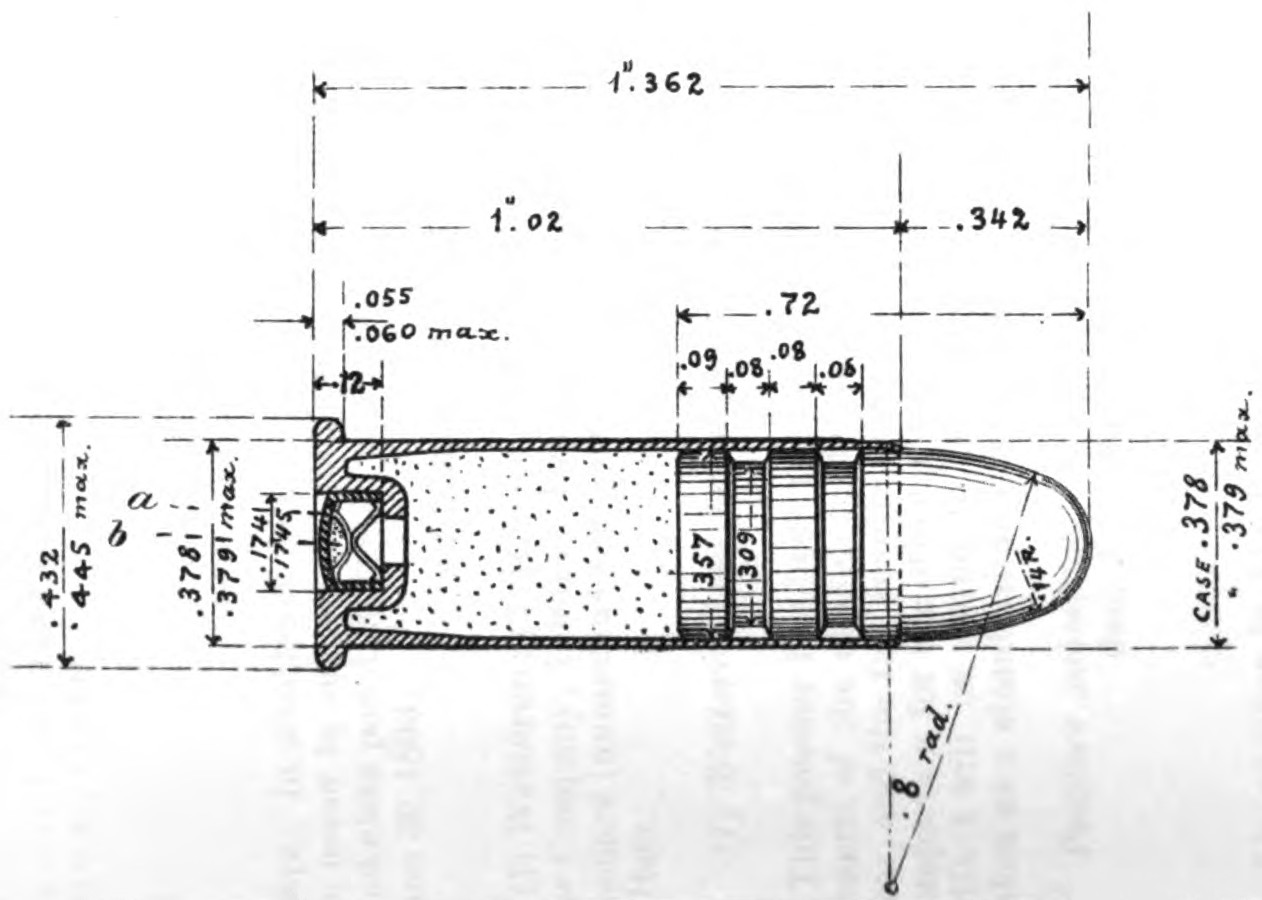
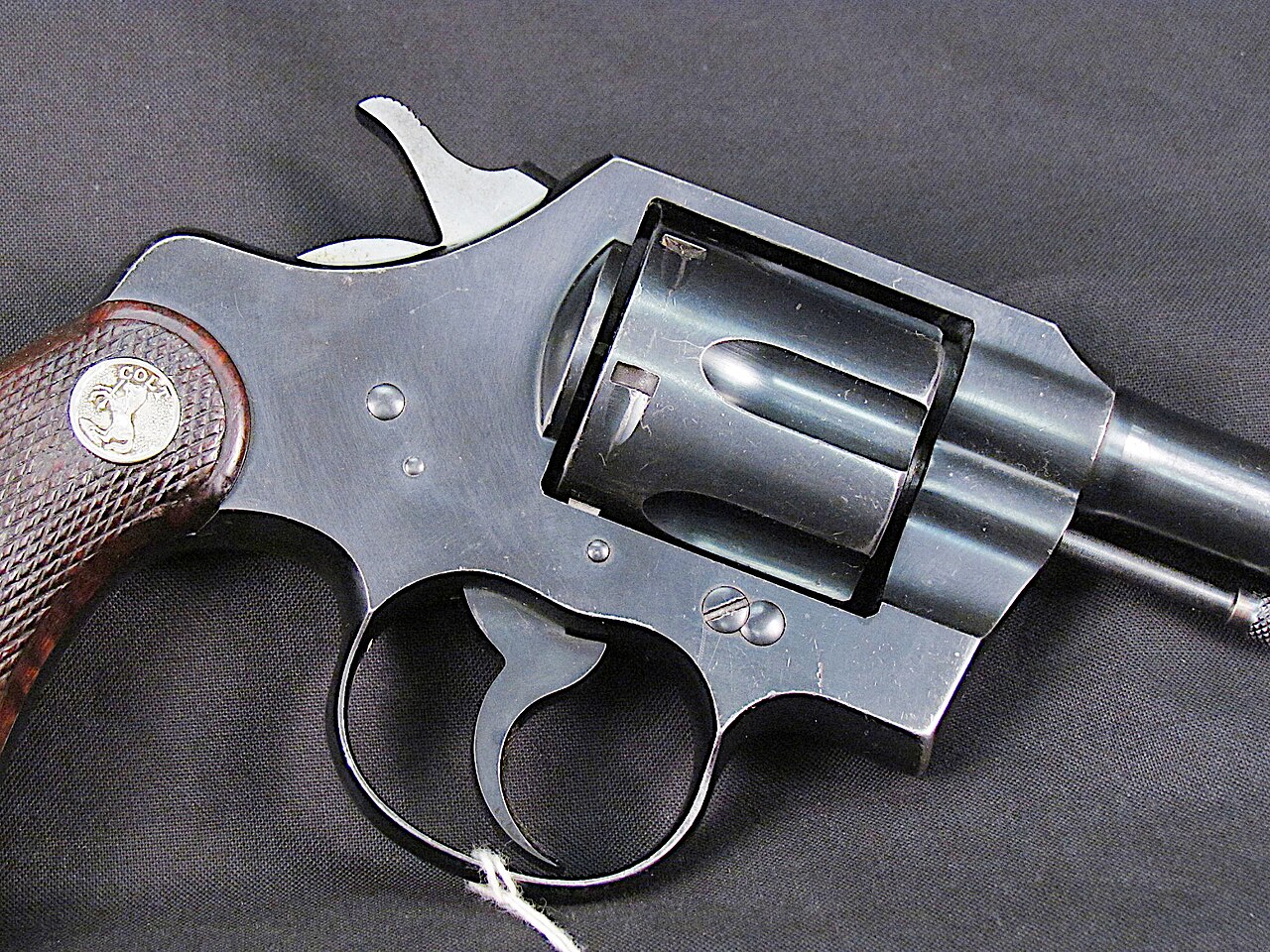
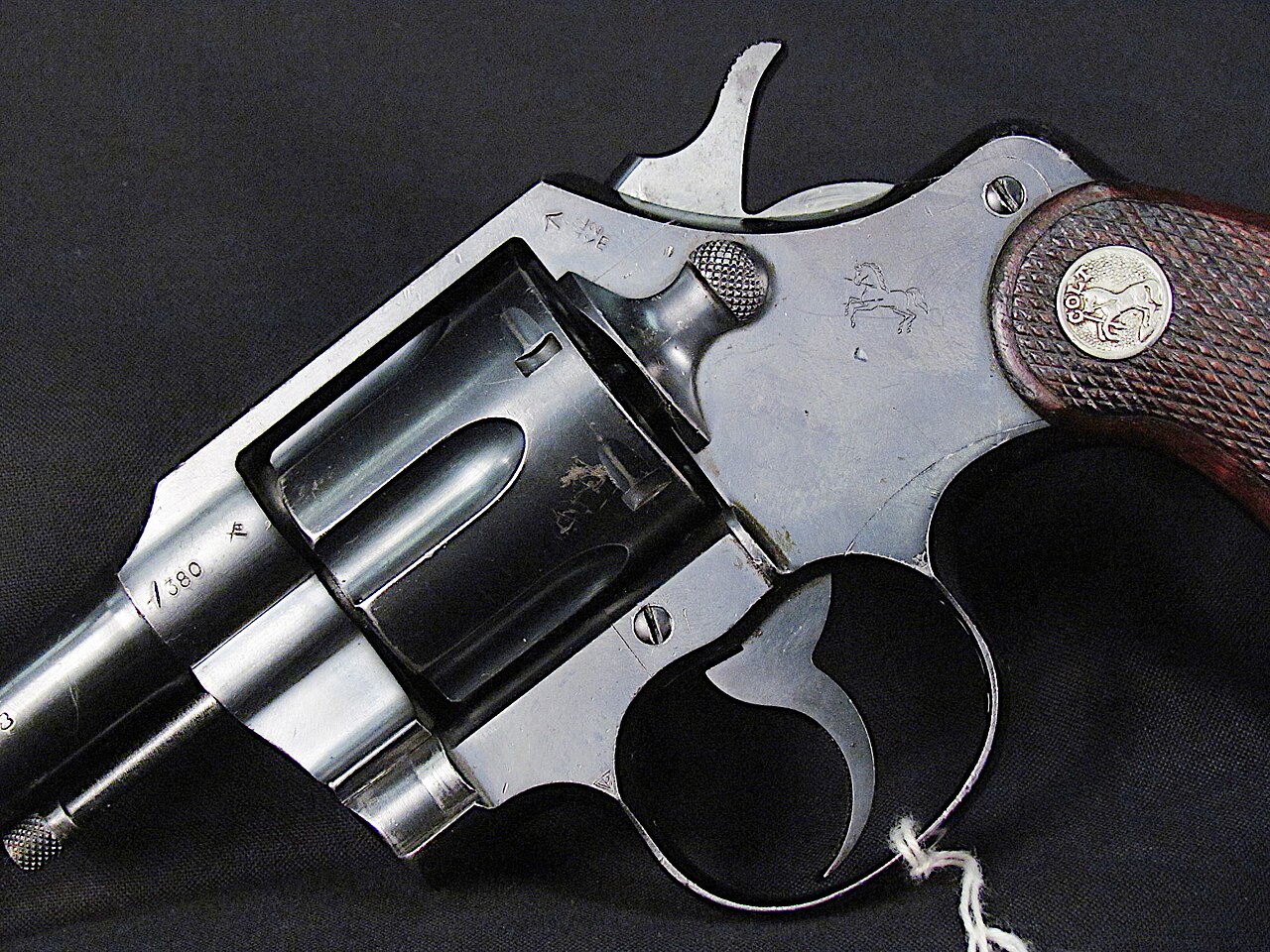
The .38 revolver is a literal firearm, a six-shot .38 caliber sidearm, carried by Y as his primary means of personal defense. In a world where every male mammal died in a single event, a handgun is not a symbol of authority in the traditional sense—it is a survival necessity. Y is a teenager, not a soldier, and the gun is the one object that prevents him from being entirely at the mercy of whoever finds him. Why it matters: In a female-dominated world, the .38 inverts old gendered power dynamics. A gun on a hip used to signal who held authority; now it signals that the person wearing it is the last of his kind and therefore the most contested object on the planet. Every woman who encounters Y must negotiate with the gun in his hand. It makes him a target, a resource, and a question all at once. Who wants or fears it: Governments, militaries, and scientific factions want to control Y, and the gun is the one thing that complicates that. A woman who wants to protect him may also want to take the gun. A woman who wants to kill him must first deal with the gun. The .38 is the fulcrum on which every power interaction in Y's world balances. How it shapes vulnerability and leverage: The gun gives Y a thin margin of deterrence but also makes him a moving target. It is both his shield and the mark on his back. Without it, he is a boy. With it, he is a problem the entire world must solve. The .38 does not make Y powerful; it makes him visible, and in this new world, visibility is the most dangerous thing a person can be.
Did You Know?
- A .38 caliber is a relatively low-power, civilian-grade round, which makes Y's choice of weapon a statement of pragmatism over intimidation—he is not projecting military force, he is trying to survive.
- The revolver's presence in Y's hand creates a unique tension: in the old world it was a marker of masculine authority, but in the new world it is the one object that forces every woman he meets to treat him as a person w
- The gun is a constant reminder that Y is not a trained combatant. He is a teenager who can load a cylinder and pull a trigger, and that gap between capability and expectation is a source of constant, low-grade anxiety in
- In a world where all male mammals are gone, the .38 is one of the last physical artifacts that connects Y to the pre-collapse world, making it as much a symbol of loss as a tool of survival.
From Cap-and-Ball to Standard Issue
The story of the Webley revolver begins in the mid-nineteenth century, when brothers P. and J. Webley started producing their first patented single-action cap-and-ball pistols as early as 1853. Over the following decades, the firm—operating under the name P. Webley and Son before merging with W & C Scott in 1897—expanded into rim-fire solid-frame designs and even licensed copies of Smith & Wesson break-action revolvers. The hinged-frame, centre-fire revolvers that would define the brand's identity emerged in the early 1870s through models like the Webley-Pryse of 1877 and the Webley-Kaufman of 1881. By the mid-1880s, the Webley-Government line had become a popular commercial choice among British officers and target shooters. In 1887, the Army, dissatisfied with the .476 Enfield revolvers that had themselves replaced the older Adams .450, put out a search for a new sidearm. Webley & Scott submitted their .455 Self-Extracting Revolver, and the military was sufficiently impressed to adopt it on 8 November 1887 as the "Pistol, Webley, Mk I." The opening contract called for ten thousand guns at just over three pounds each, with two thousand to be delivered within eight months.
The Boer War and the Trenches
The Mk IV, chambered in .455 Webley and introduced in 1899, earned the nickname "Boer War Model" because so many officers and non-commissioned officers bought it privately before deploying to South Africa. In the field it shared a soldier's belt with a bewildering array of other handguns, from the Mauser C96 Broomhandle that Winston Churchill carried to earlier Beaumont-Adams cartridge revolvers and top-break designs from Tranter and Kynoch. When the First World War broke out, the Mk V had only just been adopted in December 1913, and the initial order of twenty thousand had not been fulfilled, so far more Mk IVs were actually in service. Issuance began with officers, pipers, and range takers, then spread to airmen, naval boarding parties, trench raiders, machine-gun crews, and tank crews before reaching many Allied troops. The Mk VI, entering production in 1915, proved exceptionally hardy in the mud of the Western Front, and accessories such as a bayonet adapted from a French Gras blade, speedloader gadgets including the Prideaux Device, and a wooden stock for carbine conversion were all developed for it. Because demand outstripped British output, the government turned to American makers for Smith & Wesson and Colt substitutes and even commissioned .455 variants from Spanish gunsmiths in Eibar.
Engineering the Top-Break
The defining mechanical feature of every Webley service revolver is its top-break action: hinging the barrel assembly downward simultaneously cocks the hammer and, crucially, drives the extractor to eject all spent cartridges from the cylinder in one motion. This self-extracting system, sometimes attributed to the American Owen extraction principle, eliminated the need for a separate ejector rod and made reloading far quicker under combat stress. Chambered for the large .455 Webley cartridge, these guns rank among the most powerful top-break revolvers ever produced, delivering a heavy blow that suited the close-quarters and colonial engagements of the era. The line evolved through several marks, from the Mk I of 1887 through the Mk IV of the Boer War to the Mk VI, introduced in 1915 and widely regarded as the best-known and most refined variant. Alongside the military pattern, Webley also marketed commercial top-breaks such as the Webley-Government in .476 and .455 calibres, as well as smaller solid-frame designs like the Webley RIC for the Royal Irish Constabulary and the pocket-sized British Bulldog intended for personal self-defence.
A Century of Service and a Slow Farewell
The .455 Webley served in two world wars and a long string of colonial conflicts before the large-calibre models were finally retired from British military use in 1947. Yet the revolver's story did not end there. The .38/200 Webley Mk IV, a smaller and lighter variant, continued in service alongside the Enfield No. 2 Mk I until 1963, giving the Webley name a remarkable seventy-six-year span of official employment. Even after that date, the .38/200 Mk IV lingered as a police sidearm in several Commonwealth and other nations; as of 1999 it was still in active use in a number of countries. On the commercial side, Webley's own records indicate that the final Mk VI left the factory in 1957, with "Nigeria" written against the entry. During the Second World War, the official British service pistol was the Enfield No. 2, though a critical shortage of handguns meant the Webley's legacy continued to shape sidearm procurement. Commercial versions of every service mark, along with unadopted designs like the Webley-Wilkinson, were sold to civilians and privately purchased by officers, ensuring the revolver's presence well beyond its official retirement.
Gallery
Frequently Asked Questions
What is the .38 revolver in Y The Last Man?
It is a .38-caliber sidearm that Yorick 'Y' Brown keeps on his person as his primary means of self-defense. In a world where he is the only surviving male mammal, the gun is both his shield and the reason others want him captured.
Who carries the .38 revolver throughout the series?
Y Brown is the sole wielder; the gun never leaves his possession from the first page to the last. It stays strapped to him even as his traveling companions change, underscoring that it is his one constant.
What does the .38 revolver symbolize in the story?
The gun crystallizes Y's central paradox—he is at once the most protected and the most hunted person on Earth. It also functions as the last physical relic of pre-collapse gender power, a tool of male authority that now marks him as a specimen rather than a protector.
How does the .38 revolver help Y survive in the early chaos?
Practically, it deters looters, feral dogs, and desperate individuals who might harm him in the immediate aftermath of the Great Death. Strategically, it gives Y bargaining leverage with groups that want to study or control him, turning a small firearm into a form of political capital.
Does the .38 revolver ever get stolen, lost, or destroyed?
No. The revolver remains fully operational and in Y's hands for the entire run of the comic. It is never seized by force, never permanently damaged, and never handed off to another character.
More in Powers & Artifacts
Elsewhere in the Y The Last Man universe
Spotted an error? Know more?
This is a living reference — every entry is fact-audited, and reader corrections feed straight into our audit queue. Suggest an edit · See this site's audit record